Preparing for Birth — What I Found Helpful
I wanted to share a few things I’ve come across recently while looking into pregnancy and birth. This includes prenatal education, what to pack for your hospital stay, and some pregnancy support services that might be helpful.
Firstly, though, a small update. A couple of weeks ago, I had my 20-week scan and was told everything looks good — she’s growing well, with a strong heartbeat. They also mentioned she has long legs — my tall girl, lol. She never seems to stay still during scans. I wonder if that means she’ll be a squiggly baby — always on the move as she gets older.
Anyway, as I said, just a small update. Back to the research. I’ve included some of what I came across below, along with links. Some of this will vary depending on where you live — particularly the support services — but it should give you a sense of what’s out there, if you need it.
Making a Birthing Plan
I’ll start with the birth plan side of things. To be honest, it wasn’t something I’d given much thought to until this point. In my mind, there weren’t really any specific preferences — like a water birth, which my hospital doesn’t offer anyway. The plan was to just see how it went on the day and go with the flow. I also thought that even with a plan, depending on how the birth went, it could all go out the window anyway. After speaking with my doctor, she essentially said the same thing.
It wasn’t until I started looking into things a bit more, and came across some really helpful information from Pregnancy, Birth and Baby, that I realised there’s more to a birth plan than I first thought.
Things like who you want around you for support (ok, I had thought of that!), whether you want to stay active during labour, and how you feel about pain relief or medical intervention.
There are also decisions around what happens after your baby arrives — things like skin-to-skin contact, feeding, and who will be there to support you.
For me, it shifted the idea of a “plan” into something more like understanding my options and thinking about them ahead of time — while knowing things can change.
I’d recommend having a read through Making a birth plan by Pregnancy, Birth and Baby — it has some really useful information.
Prenatal Education
Next, I wanted to look into birthing classes. I don’t know if it’s just my area, but I couldn’t find any free face-to-face options. That’s not to say they aren’t available elsewhere. For me, though, if I want to attend a weekend course at the hospital where I’m giving birth, it costs just under $400. Yikes. There is also another hospital closer to me offering a similar course for $140. That’s better, although it’s still not cheap.
So it’s worth looking into what is available in your own area, as your experience may be different to mine.
If you prefer out-of-hospital options, there are also independent classes — often run by doulas. But they usually come at a cost. So as I said, have a look around.
Also, if you have private health insurance, you could check with your provider to see if you might be eligible for a contribution towards prenatal classes. Some policies don’t cover outpatient costs, but if the class is run through a hospital, it may be treated differently.
If face-to-face classes aren’t accessible or are too pricey, online options can be a good alternative. As an example, if you visit Tummy Talks, they offer a range of free webinars covering pregnancy, birth, and the early stages once your baby arrives. What stood out to me is that these sessions are run live, so you can ask questions, rather than just reading through information. So this is a great option outside of face-to-face classes.
I also came across some helpful information on Pregnancy, Birth and Baby, which explains what antenatal classes actually involve. It goes through what they typically cover — like the signs of labour, pain relief, breastfeeding, and newborn care — as well as who runs them, the different types available, and how to find one. I found it useful to get a clearer picture of what to expect.
Lastly, I found a program called the Shichida Method. They have a free eBook called the Guide to Shichida Prenatal Education. This guide looks at early learning before birth, including how babies may respond to things like sound and light in the womb, along with ideas around communication, environment, and building an emotional connection during pregnancy.
I found the prenatal information interesting as well as their early childhood education programs. If you visit their page, you can download the prenatal education guide to learn more.
FREE Hospital Checklist
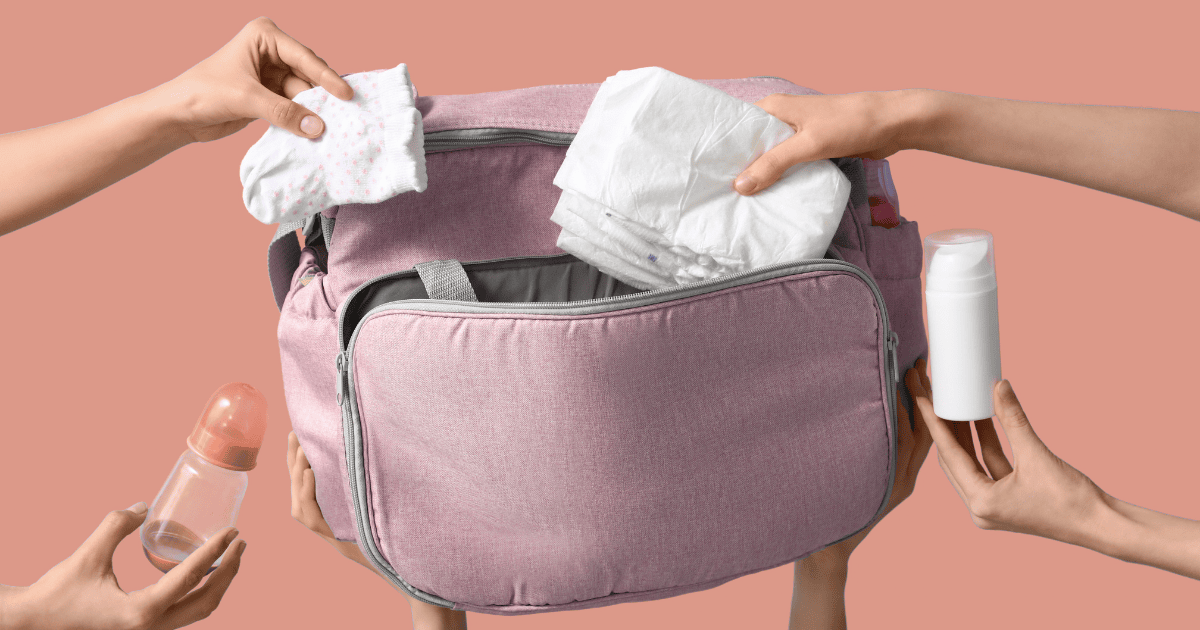
Thinking about a birth plan, as mentioned above, also led me to start thinking about what I might actually need to pack for the big event. I came across a really handy hospital bag checklist that is free to download through You Birth. It’s created by a registered midwife through You Birth, which focuses on supporting women through pregnancy, birth, and early parenting.
The checklist itself is quite practical — covering things for you, your baby, and your support person, along with a few extras that aren’t always obvious (and that I found quite funny). If you scroll down to the bottom of their page and join their mailing list, you’ll receive the free Hospital and Birth Checklist — and you’ll also stay up to date with any additional birth education information they share.
A Helpful Audiobook on Pregnancy and Birth
I don’t know about you, but I love being able to put something on while I go for a walk, drive, or potter around the house — so it made sense to use that time to learn a bit more as well. I came across an audiobook on Spotify called The Complete Australian Guide to Pregnancy and Birth. It covers a wide range of topics, from pregnancy and labour through to birth and those early postpartum stages, and brings together insights from midwives, doctors, and other health professionals.
It also includes real birth experiences, which I find helpful for getting a sense of how different they can be. If you have a paid Spotify subscription, you can listen to it without any additional cost. If not, the audiobook is, at the time of this post, $35.90 — so depending on how you prefer to access it, it might be worth considering a one-month subscription instead.
Support That’s Available
To finish this post off, I wanted to include some information on support services. Right now, a lot of people are doing things tough, and there are organisations out there that can help — not just with smaller baby items, but also with larger essentials like prams, car seats and cots.
One organisation I came across is We Care Connect. They support families across the Central Coast and Hunter Region by providing good-quality, pre-loved baby and children’s items to those who need them. It’s a great service that supports families, or soon-to-be families, with items they need. Depending on where you live, there may be similar organisations available in your area — I’ve included this here just to give you an idea of what might be out there.
To access support through We Care Connect, you do need a referral — they don’t take direct enquiries. You can contact the Benevolent Family Referral Service or Uniting Family Services, where you can talk through your situation over the phone and explore what support might be available. This could include access to baby items, as well as other services such as parenting support or financial support programs. From there, they can connect you with the appropriate services and help guide you through the next steps.
If this is something you think might be helpful, it could be worth reaching out to the Benevolent Family Referral Service or Uniting Family Services to see what’s available in your area. To find out more, you can click here — you’ll find contact details for both services on that page.
Looking Ahead
I hope some of the information above has been useful. I’ll continue to share anything I come across over the coming months that may be helpful to other women navigating pregnancy on their own. If there is something you think would be valuable for others to know about, please reach out via my contact form 😊
Are you pursuing IVF as a single woman, or do you know someone who is?
Me, Myself & IVF Journal — find out more here.