New Year, New Chances: My Second Embryo Transfer
At the start of January 2025, I decided to try a second embryo transfer. The previous attempt, at the end of 2024, hadn’t been successful. That was hard to take, but I still wanted to try again.
Turning forty this month has prompted a lot of reflection. For years, I imagined that by now I’d have a partner, children, a home, and a career I loved. Life hasn’t followed that picture. Some sadness comes with that realisation, but reflection doesn’t have to mean regret. As the year begins, I’m holding a quiet hope that this might be a chapter where things start to shift.
Moving forward meant accessing my superannuation again. I contacted Access My Super and confirmed I could submit another application. Because this was within six months of the previous one, I didn’t need a second psychologist appointment, which simplified the process. After the IVF clinic provided an estimated cost for the cycle — $4,254 — Access My Super compiled the documentation and lodged it with the ATO. The ATO approved the funding within a couple of weeks, which allowed me to proceed with the new cycle.
This time, my clinic prescribed progesterone pessaries to use before the transfer and for a short period afterwards. Progesterone is a hormone produced during the second half of the menstrual cycle and plays an important role in preparing and supporting the uterus in early pregnancy. In IVF treatment, doctors use progesterone pessaries to supplement or replace the body’s natural progesterone. IVF Australia has some helpful information explaining how progesterone works. If you’d like to learn more: [CLICK HERE].
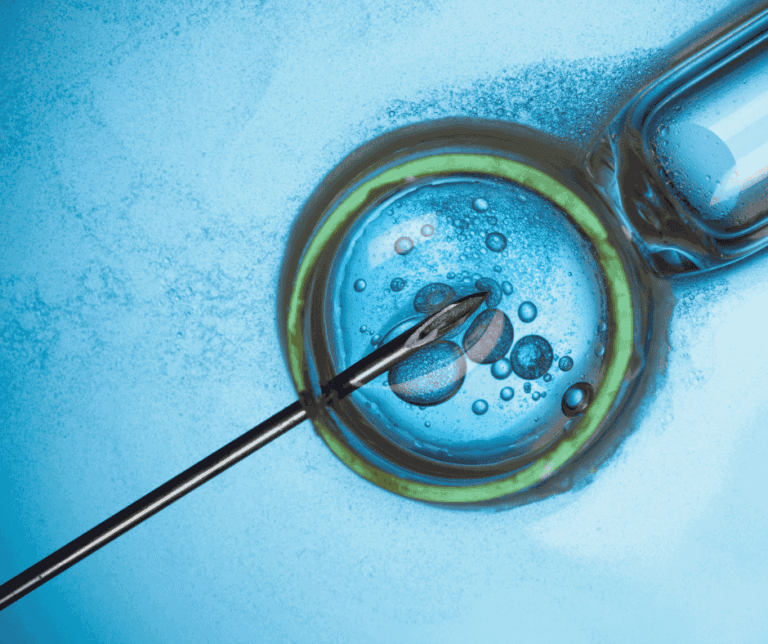
When transfer day arrived, the emotional tone felt different from before. My mum came with me again, but I chose to go into the procedure room on my own. The first transfer had carried a lot of excitement, and this time I wanted to keep things simpler. Holding a little distance felt like a way to protect myself and manage expectations. Riding the same emotional high — only to face disappointment again — wasn’t something I wanted to repeat.
The transfer itself happened quickly. One moment, I was chatting with my specialist; the next, she told me we were finished. Our conversation had distracted me, and I lost focus on the transfer itself. My doctor had just returned from volunteering overseas, supporting hospitals with limited staff and resources. She spoke about how scarce support can be in other countries, even to the point where flyers for funeral services lined hospital walls. Hearing that was a stark reminder of how many families experience loss during childbirth, and how fortunate I am to have access to the level of care I receive here. It also planted a quiet thought about wanting to give back one day, in whatever way I can.
Now with the transfer complete, it was time to wait. I didn’t know what the outcome would be, but my mindset had shifted. Expectations felt more realistic this time. Some sadness lingered around the absence of the excitement I’d felt before, but this approach felt necessary — a way of staying present without overextending emotionally.
Each cycle brings its own lessons. While the outcome remains out of my control, how I show up doesn’t. For now, that means continuing with hope, even if it looks a little different than it once did.
📖 If you missed it, you can read my previous post about Embryo Transfer: The Longest Two Weeks.
💬 Next, I’ll be sharing more about IVF, Work, and Finding Support Where You Least Expect It.